
Leak Detection in Pompano Beach
Water leaks are not always obvious at first. A damp floor, ceiling stain, rising water bill, musty odor, or moisture behind a wall can all point to a hidden plumbing problem developing somewhere inside the home.
Home Town Repair Experts helps homeowners in Pompano Beach investigate visible and hidden leak conditions in slab homes, older Broward properties, waterfront neighborhoods, condos, and homes with aging plumbing systems.
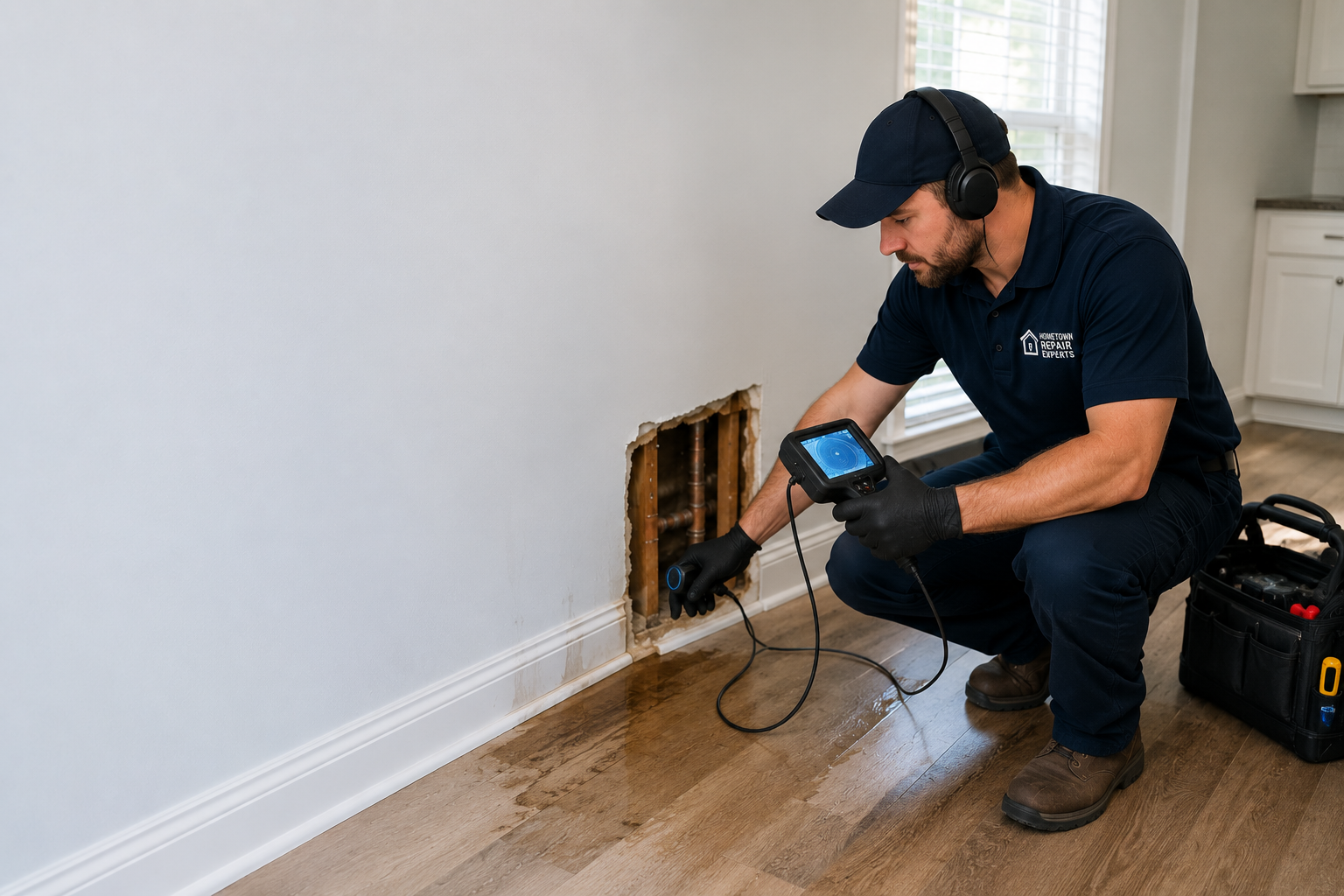
Find the Leak Problem That Matches Your Symptoms
Leak symptoms show up in different ways. Use these related diagnostic pages to narrow the issue by where the moisture appears, how the water is behaving, or what part of the plumbing system may be involved.
Hidden Water Leak Detection
For damp flooring, musty odors, hidden wall moisture, or water damage without an obvious source.
Wall Leak Detection
For bubbling paint, wet drywall, baseboard swelling, or moisture around plumbing walls.
Underground Water Leak Detection
For suspected leaks below the home, near the yard, under the slab, or along buried water lines.
High Water Bill Leak Detection
For unexplained water use when no visible leak is showing inside the home.
Leak Detection Is Often About Following the Symptoms
Plumbing leaks do not always appear where the actual pipe problem exists. Water can travel behind walls, beneath flooring, through ceiling cavities, below cabinets, or under slab foundations before homeowners ever notice visible damage. In many cases, the first sign is not active water at all — it is moisture staining, soft flooring, musty odors, bubbling paint, or a water bill that suddenly starts climbing.
Leak detection helps narrow down where the moisture may be coming from and what type of plumbing issue could be causing it. Some leaks involve pressurized water lines, while others originate from drain systems, shower connections, underground piping, fixture seals, or slab plumbing beneath the home.
In older Broward homes, especially homes east of Dixie Highway or properties with original plumbing infrastructure still in service, hidden leak conditions can become increasingly difficult to identify without a structured diagnostic process.
Signs You May Have a Hidden Plumbing Leak
Hidden water leaks often develop gradually. Moisture may collect inside walls, below flooring, above ceilings, or beneath the slab long before the source becomes obvious.
Some homeowners first notice the issue after heavy rain, during periods of high humidity, or while running multiple plumbing fixtures throughout the home.
Types of Leak Problems We Investigate
Different plumbing leaks create different symptoms. These service pages break down the most common hidden leak scenarios affecting homes throughout Pompano Beach and Broward County.
Hidden Water Leak Detection
Moisture behind walls, damp flooring, cabinet damage, and unexplained water use often point to hidden plumbing leaks developing inside the home.
Wall Leak Detection
Wall leaks may create bubbling paint, drywall damage, mold odors, or recurring moisture around plumbing fixtures and supply lines.
Underground Water Leak Detection
Underground plumbing leaks can affect water pressure, create unexplained water usage, or contribute to moisture near slabs and foundations.
Slab Leak Repair
Slab leaks may create warm flooring, moisture beneath tile, foundation-related moisture problems, or hidden water movement below the home.
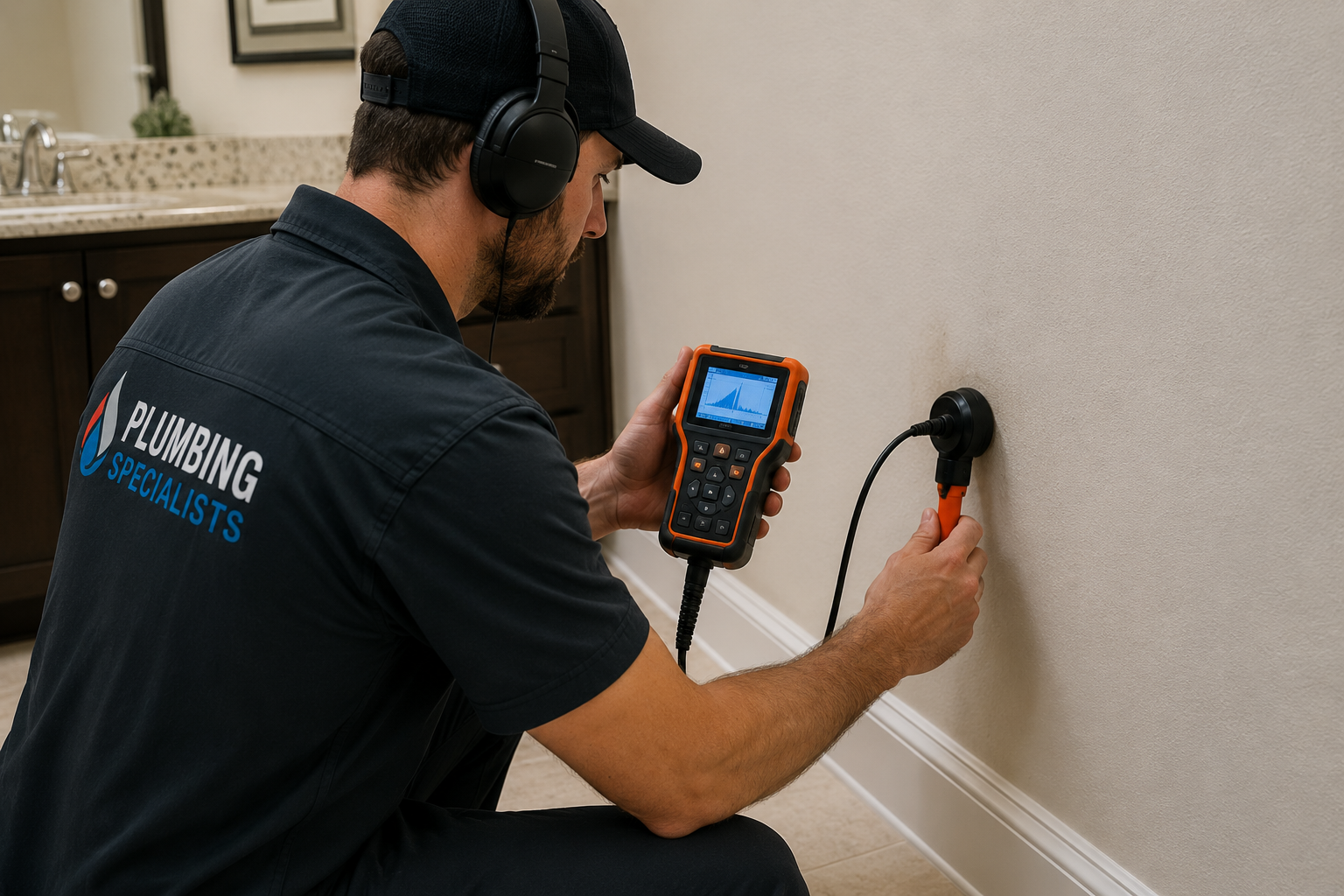
Older Broward Homes Often Hide Leak Problems Differently
Pompano Beach contains a wide mix of older ranch homes, slab foundation properties, coastal condos, waterfront neighborhoods, and partially remodeled homes with aging plumbing still hidden behind newer finishes. In many homes built during the 1950s through 1970s, portions of the original plumbing system may still remain active beneath slabs or inside walls.
Coastal humidity, salt air exposure, and repeated summer rain can make moisture-related plumbing symptoms more difficult to interpret. Water stains are not always caused by active plumbing leaks, but changing moisture patterns, recurring dampness, or rising water use often justify a closer inspection.
Homes near Atlantic Boulevard, east of Federal Highway, near the Intracoastal, and throughout older eastern Broward neighborhoods frequently contain plumbing layouts that have been modified over time through remodels, additions, or partial piping replacements. Leak detection helps narrow down where the actual plumbing issue may exist before larger repairs begin.
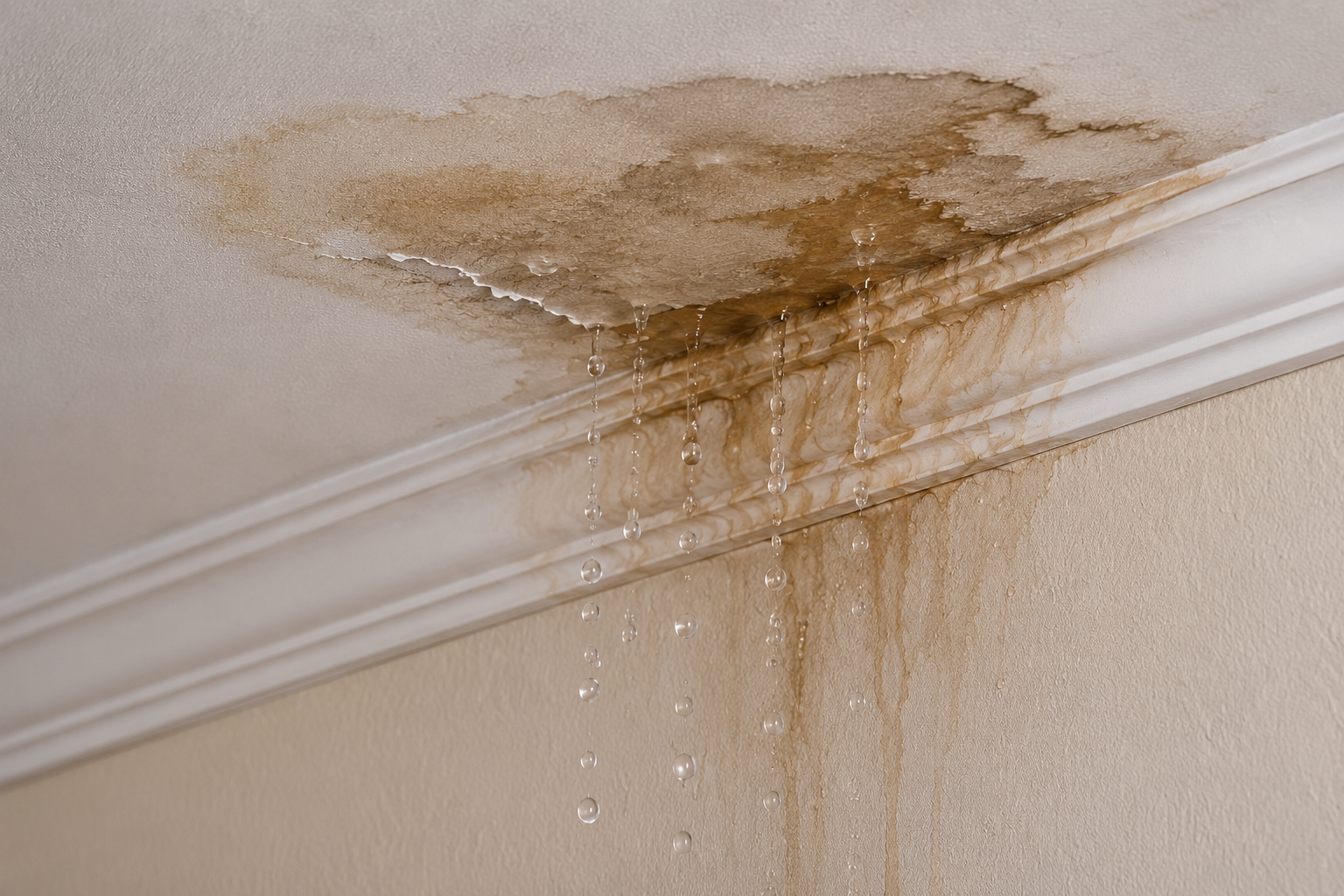
Not Every Leak Leads to the Same Type of Repair
One of the most important parts of leak detection is determining what category of plumbing issue is actually present. Some leaks involve a localized fixture repair, while others may involve underground piping, slab plumbing, deteriorated supply lines, or aging drain systems hidden behind walls and flooring.
In some situations, the inspection may point toward additional services such as pipe leak repair, water line repair, or slab leak repair. In other cases, the problem may turn out to be isolated to a fixture connection, appliance line, shower valve, or drain assembly.
The goal of leak detection is not simply to locate moisture. It is to better understand where the water is coming from, how long the issue may have been developing, and what type of repair direction makes the most sense for the property.
Common Questions About Hidden Water Leaks
Leak problems often involve hidden moisture, underground plumbing, or water movement that is difficult to trace without inspection.
What are the first signs of a hidden water leak?
Some of the most common warning signs include rising water bills, damp flooring, musty odors, bubbling paint, recurring moisture, wall discoloration, and ceiling stains beneath bathrooms or plumbing areas.
Can a leak exist without visible standing water?
Yes. Many plumbing leaks remain hidden behind walls, below slabs, or inside ceilings for long periods before obvious water becomes visible.
Do older Pompano Beach homes have more hidden plumbing leaks?
Older Broward homes often contain aging plumbing systems, slab foundations, older pipe materials, and partially remodeled plumbing layouts that can make hidden leaks more common over time.
Can humidity cause symptoms similar to a plumbing leak?
In some situations, yes. South Florida humidity and condensation can sometimes resemble plumbing-related moisture problems, which is why proper inspection and diagnosis matter.
Leak Detection in Pompano Beach and Broward County
Home Town Repair Experts helps homeowners investigate hidden plumbing leaks, moisture problems, slab leaks, wall leaks, and underground water issues throughout Pompano Beach and surrounding Broward County communities.
Service areas include older homes near Dixie Highway, waterfront neighborhoods, coastal condo communities, neighborhoods near Atlantic Boulevard, and homes throughout eastern Broward with aging plumbing infrastructure.
You can also visit our Pompano Beach plumber hub or browse broader Broward County plumbing services.
Get Help Diagnosing Hidden Water Leaks in Pompano Beach
If moisture keeps returning, water bills continue rising, or leak symptoms are becoming more noticeable, leak detection can help determine whether the issue involves hidden plumbing, slab piping, underground water lines, or another moisture-related condition.