
Water Line Repair in Pembroke Pines
An underground water-line leak may begin quietly. The first clue might be a meter that keeps moving while fixtures are off, weaker pressure throughout the home, a rising water bill, or a wet patch near the driveway, meter box, swale, or landscaped area.
Home Town Repair Experts helps Pembroke Pines homeowners find water-line inspection and repair support for buried service-line leaks, low-pressure symptoms, unexplained meter activity, wet-yard concerns, and underground water movement that needs practical diagnosis before repair work begins.
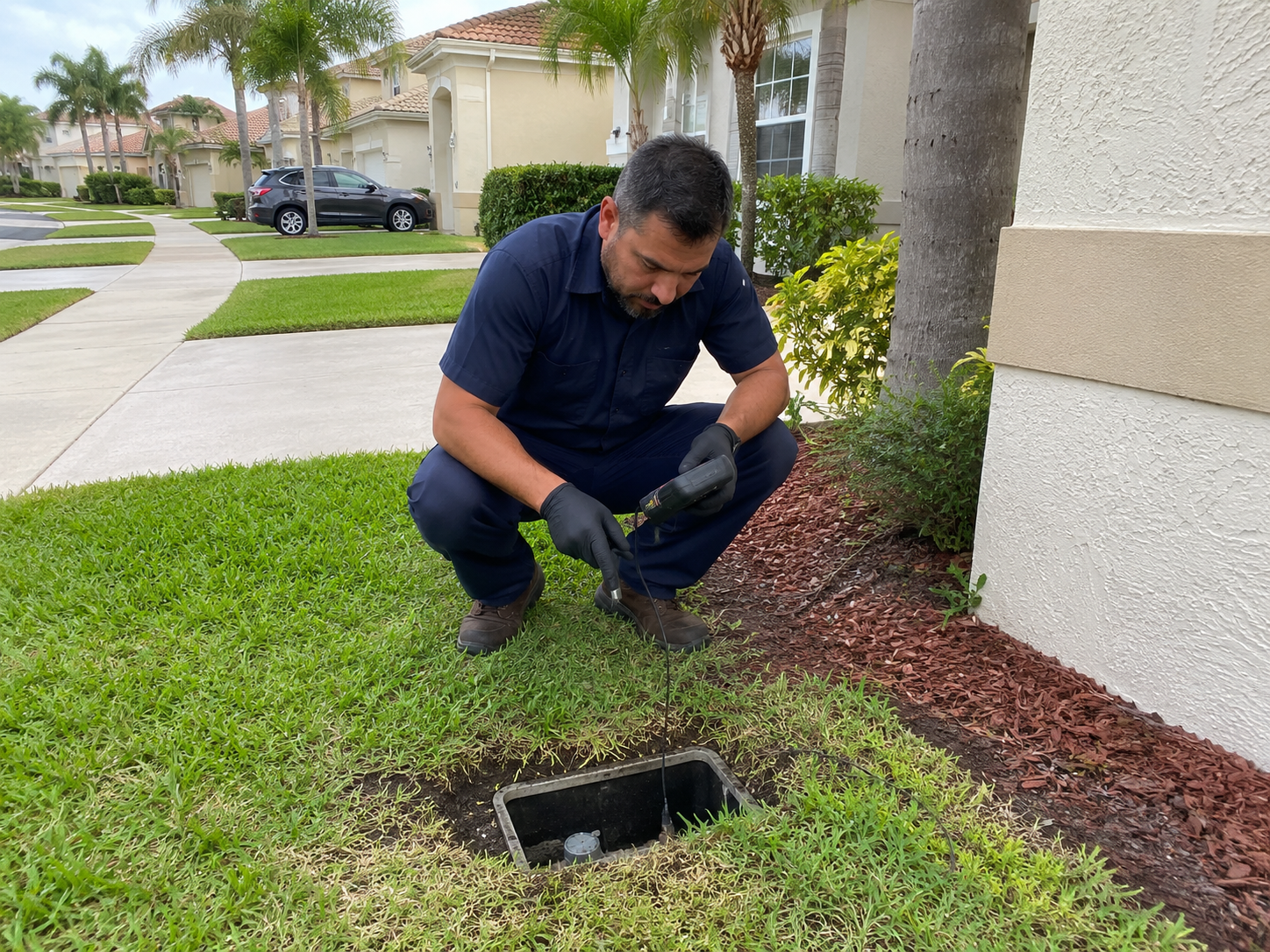
Meter Moves While Fixtures Are Off
Unexplained meter activity may indicate that water is escaping somewhere along the household supply system.
Wet Yard Area Keeps Returning
Moist soil near a meter box, driveway, swale, or landscaped area may need closer review when irrigation and rainfall do not explain it.
Pressure Drops Throughout the Home
Weak flow affecting several fixtures may point beyond a faucet and toward the broader water-supply path.
Water Bill Rises Unexpectedly
Higher usage without an obvious fixture leak may be an early sign of hidden underground water loss.
A Wet Yard Does Not Automatically Mean the Buried Water Line Has Failed
Exterior moisture can be difficult to interpret in Pembroke Pines. Heavy summer rainfall, saturated soil, neighborhood drainage systems, irrigation cycles, and water collecting near swales can all create damp areas around a property.
The stronger clues appear when several symptoms line up. A wet patch that keeps returning during dry periods, a meter that continues moving while fixtures are off, weaker pressure throughout the home, or a water bill that rises without a clear explanation may point toward an underground plumbing concern.
Water-line repair connects naturally with broader Pembroke Pines leak detection. When the source has not been confirmed, underground leak detection may help separate a buried plumbing leak from irrigation, drainage, and wet-season yard conditions.
Symptoms That May Point Toward a Buried Service-Line Problem
Underground water-line issues often develop gradually before the repair need becomes obvious. The pipe may lose water outside the home while the first visible symptom appears at the meter, in the yard, or through weaker fixture performance indoors.
One symptom alone may not confirm the problem. Several symptoms together provide a stronger reason to inspect the buried service line more closely.
Outdoor Water Symptoms Need to Be Interpreted Carefully
A damp lawn after an afternoon storm may be normal. A sprinkler head may oversaturate one section of landscaping. A neighborhood swale may hold water longer after several wet days. Those conditions can overlap with the symptoms of an underground water-line leak.
Plumbing-related water loss becomes more likely when the meter keeps moving after household fixtures are turned off, the wet area returns between irrigation cycles, or pressure inside the home changes at the same time.
The goal is to confirm the likely water source before excavation or repair planning begins. A careful inspection can help avoid treating ordinary drainage conditions as a buried plumbing failure while still identifying real underground water loss before it worsens.
A Running Meter Can Be an Important Diagnostic Clue
When water usage increases without an obvious indoor leak, the meter can help narrow the investigation. A running toilet, dripping faucet, irrigation cycle, water-heater leak, and underground service-line issue can all affect usage differently.
The question is whether the meter continues moving after normal household fixtures and irrigation are accounted for. If unexplained activity remains, water-meter-running investigation may help determine whether a hidden leak is affecting the property.
Whole-Home Pressure Loss Can Point Beyond a Single Fixture
Weak flow at one faucet may stay local to the fixture, aerator, cartridge, shutoff valve, or supply connection. Whole-home pressure loss is different. When showers, sinks, and outdoor hose bibs all feel weaker than usual, the broader supply path may need review.
An underground water-line leak can reduce the amount of water reaching the home. Pressure loss becomes more meaningful when it appears alongside meter movement, unexplained water usage, or wet-yard symptoms.
Homeowners dealing with uncertain fixture or whole-home pressure changes can visit low-water-pressure repair for a more focused diagnostic path.
The Correct Repair Depends on Where the Underground Water Loss Begins
A buried water-line issue can affect the property in several ways. The leak may sit near the meter, beneath landscaping, alongside a driveway, or closer to the point where the service line enters the home.
If active water is surfacing or pressure has dropped suddenly, emergency leak repair may be the more appropriate next step. If the line is confirmed as the source, main-water-line leak repair or underground water-line repair may provide the focused repair path.
Water-Line Symptoms Can Look Different Across Eastern and Western Neighborhoods
Older east-side neighborhoods near University Drive, Pembroke Road, Pasadena Lakes, Hollywood Pines, and Boulevard Heights may have buried service lines and plumbing layouts that have been repaired or updated at different points over the years.
Western subdivision communities near Chapel Trail, Silver Lakes, Pembroke Falls, Pembroke Isles, Towngate, Grand Palms, Westfork, and US-27 may show underground water-line concerns through irrigation confusion, landscaped yards, meter-box moisture, driveway-adjacent wet areas, and pressure changes affecting larger family homes.
Heavy rainfall and prolonged wet periods can make exterior diagnosis harder throughout west Broward. Water collecting near swales or neighborhood drainage systems may overlap with plumbing symptoms. That is why meter behavior, fixture pressure, and the timing of the wet area matter before repair decisions are made.
The goal is not to assume that every damp lawn needs excavation. The goal is to identify whether household water is escaping underground and determine the most practical repair path when the service line is actually involved.
Find the Right Underground Water-Line Service Path
The right service depends on whether the leak source is still uncertain, the meter keeps moving, pressure has changed, or the buried service line has already been identified as the problem.
Main Water Line Leak Repair
For confirmed buried supply-line leaks, water surfacing near the service path, meter activity, and repair planning along the main household water line.
Underground Water Line Repair
For leaks beneath landscaping, driveways, walkways, meter areas, and underground sections serving the home.
Water Meter Running Investigation
For unexplained meter movement, rising water bills, hidden water usage, and properties where the leak source has not been confirmed.
Underground Leak Detection
For separating buried plumbing leaks from irrigation overspray, drainage issues, saturated soil, and wet-season yard symptoms.
A Practical Way to Investigate a Possible Underground Water-Line Leak
Water-line repair should move from the first symptom to meter behavior, fixture pressure, outdoor conditions, source confirmation, and the most appropriate repair plan.
Review the Visible Symptoms
The first step is determining whether the property has wet-yard areas, pressure loss, meter movement, water-bill changes, or active water surfacing outside.
Separate Plumbing From Irrigation and Drainage
Rainfall, swale water, saturated soil, and sprinkler issues should be considered before a buried service-line failure is assumed.
Confirm the Likely Water Source
Meter behavior, household water use, pressure changes, and the location of exterior moisture can help narrow whether the buried line is involved.
Choose the Right Repair Path
The next step may involve underground leak detection, meter investigation, main-water-line repair, underground pipe repair, or emergency leak help when water is actively surfacing.
Confirm the Underground Leak Before Planning the Repair
Buried water-line symptoms create enough uncertainty without premature recommendations. Experienced and certified technicians can help distinguish between irrigation moisture, drainage overlap, meter-side water loss, pressure concerns, and a confirmed underground service-line leak.
Fully stocked service vehicles help address many common water-line concerns efficiently when the repair is straightforward. Modern diagnostic equipment can also help narrow underground water movement when the visible yard conditions do not reveal where the leak began.
Transparent upfront pricing helps homeowners understand the proposed inspection, confirmed repair path, and any follow-up work before excavation or larger repairs begin.
Pembroke Pines Water-Line Repair Questions
These are common questions homeowners ask when the meter keeps moving, water pressure drops, or wet-yard symptoms begin appearing near the buried service-line path.
Does a wet yard always mean the water line is leaking?
No. Irrigation, rainfall, saturated soil, and neighborhood drainage can also create wet areas. Meter movement, water-bill changes, pressure loss, and moisture returning during dry periods can help determine whether a buried plumbing leak is more likely.
Can an underground water-line leak cause low water pressure?
Yes. A buried service-line leak can reduce the amount of water reaching the home. The concern becomes stronger when pressure loss affects several fixtures and appears alongside meter movement or wet-yard symptoms.
Why is the water meter moving when fixtures are off?
A moving meter may indicate water use or leakage somewhere along the household plumbing system. Running toilets, dripping fixtures, irrigation, water-heater leaks, and underground service-line problems should be considered before the source is confirmed.
Do water-line repairs always require excavation?
Not every investigation leads to excavation. The first step is confirming whether the buried line is actually involved and narrowing the likely leak location. The repair method depends on the source, access, pipe route, and surrounding property conditions.
Water-Line Repair in Pembroke Pines and Broward County
Home Town Repair Experts helps Pembroke Pines homeowners find water-line inspection and repair support for underground service-line leaks, wet-yard areas, water-meter movement, whole-home pressure loss, irrigation confusion, rising water bills, and active water surfacing outside.
Service coverage includes areas near Pines Boulevard, Flamingo Road, University Drive, Sheridan Street, Chapel Trail, Silver Lakes, Pembroke Falls, Pembroke Isles, Towngate, Grand Palms, Pasadena Lakes, Hollywood Pines, Westfork, and western Pembroke Pines near US-27.
You can also visit our Pembroke Pines plumber hub or view broader Broward County plumbing services.
Find Out Whether the Wet Yard, Meter Movement, or Pressure Loss Points to the Buried Water Line
If water keeps appearing near the meter box, driveway, swale, or landscaping, the meter moves while fixtures are off, or pressure has dropped throughout the home, water-line inspection can help identify the source and determine the right next step.