
The Morning Our Cast Iron Sewer Line Finally Failed
A real homeowner experience from an older Pompano Beach home — and what it revealed about gurgling toilets, slow drains, tree roots, collapsed cast iron, and aging sewer lines in South Florida.
One Tuesday morning, a toilet flush caused gurgling in the tub, the shower stopped draining, and a sewer camera later confirmed a collapsed section of original cast iron sewer line.
It did not start with a dramatic sewer backup or weeks of obvious warning signs. It started with a gurgle.
After flushing the guest bathroom toilet, the tub began making noise. Then the master bathroom reacted too. A few minutes later, the shower would not drain. At first, it looked like a normal clog — the kind of issue most homeowners try to solve with a plunger, a basic snake, and a little hope.
But older South Florida homes can hide bigger problems underground. In this case, the real issue was not a simple clog. It was a collapsed section of original cast iron sewer line.
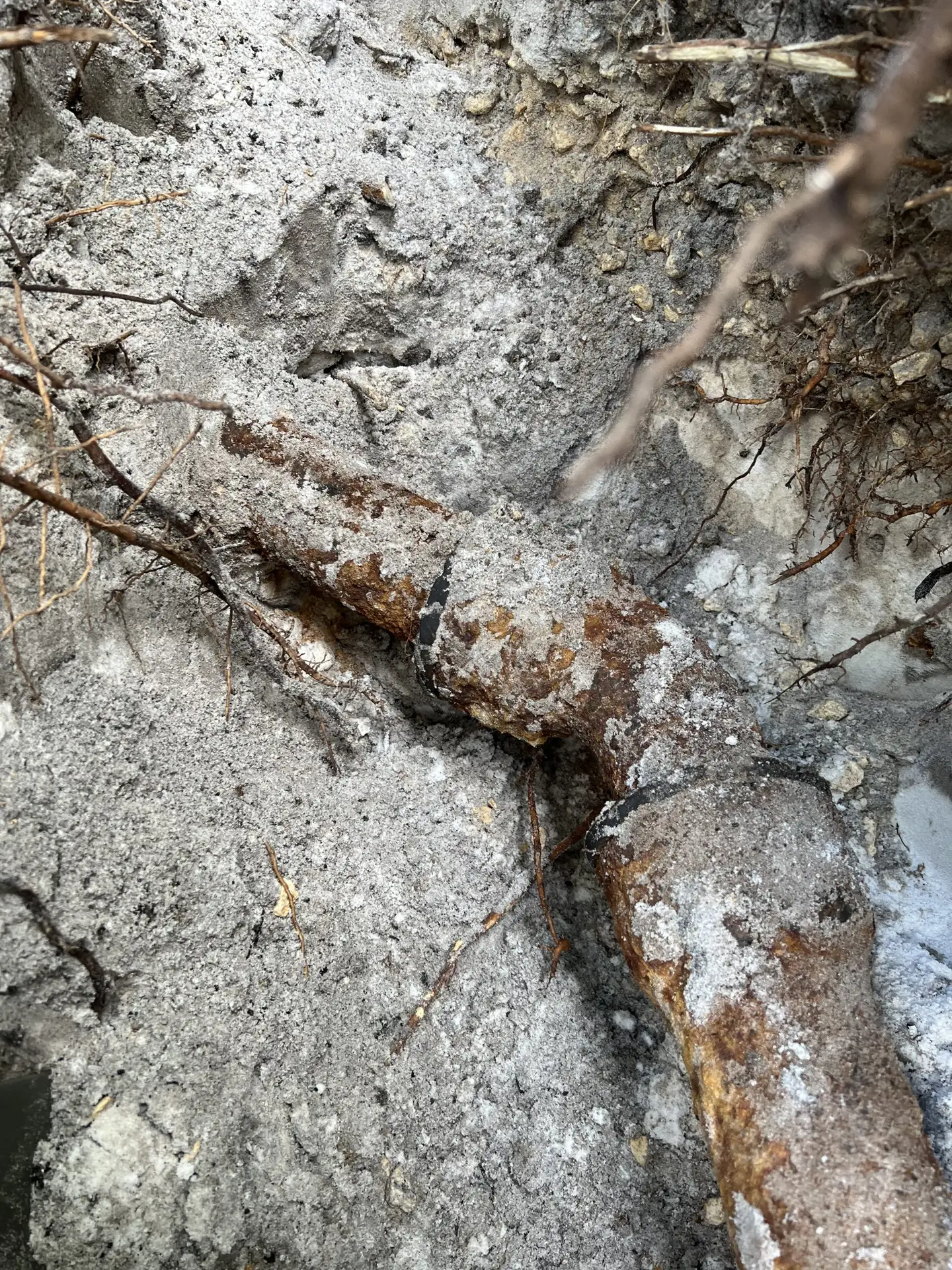
Image 1: Use a strong trench or exposed cast iron photo here to introduce the real repair story.
Why Cast Iron Pipes Are Still Common in Older South Florida Homes
Many South Florida homes built in the 1950s, 1960s, and 1970s were constructed with cast iron drain and sewer lines. At the time, cast iron was a standard plumbing material and could last for decades.
But decades add up. A home built in 1960 may still have underground plumbing infrastructure that is more than 60 years old. In older Pompano Beach neighborhoods, especially east of I-95, many homes are slab foundation homes with drain and sewer lines hidden beneath the property.
When cast iron begins to corrode, crack, separate, or collapse, the problem is often invisible until fixtures inside the home begin acting strangely.
The First Warning Sign Was Gurgling
The first sign was not standing sewage in the yard. It was not a major flood. It was a toilet flush that caused gurgling in nearby fixtures.
That detail matters. When one plumbing fixture affects another, the issue may be farther down the drain system. A single slow sink may be isolated. But a toilet, tub, shower, and bathroom line reacting together can point to a deeper sewer or main drain problem.
Homeowner note: Multiple fixtures reacting at the same time is one of the clearest signs that the problem may be larger than a simple clog.
Common early warning signs include:
- Toilets gurgling after flushing
- Tubs or showers bubbling when another fixture drains
- Water backing up into a shower or bathtub
- Multiple drains slowing down at once
- A toilet that does not flush normally
- Drain problems that keep returning
When a Clog Is Not Just a Clog
At first, this looked like a normal clog. A plunger did not solve it. A snake run from the backyard cleanout hit resistance. Then an emergency plumber came out, tried snaking from the roof, and ran into the same problem.
That was the moment it became clear this was not just a stubborn bathroom clog.
When a drain snake repeatedly hits a jam or cannot pass through the line, it may indicate a collapsed pipe, heavy internal corrosion, root intrusion, a separated pipe section, or a major obstruction deeper in the system.
Homeowners dealing with repeated backups may need professional drain cleaning in Pompano Beach, but recurring drain problems can also be a warning sign of deeper sewer line damage.
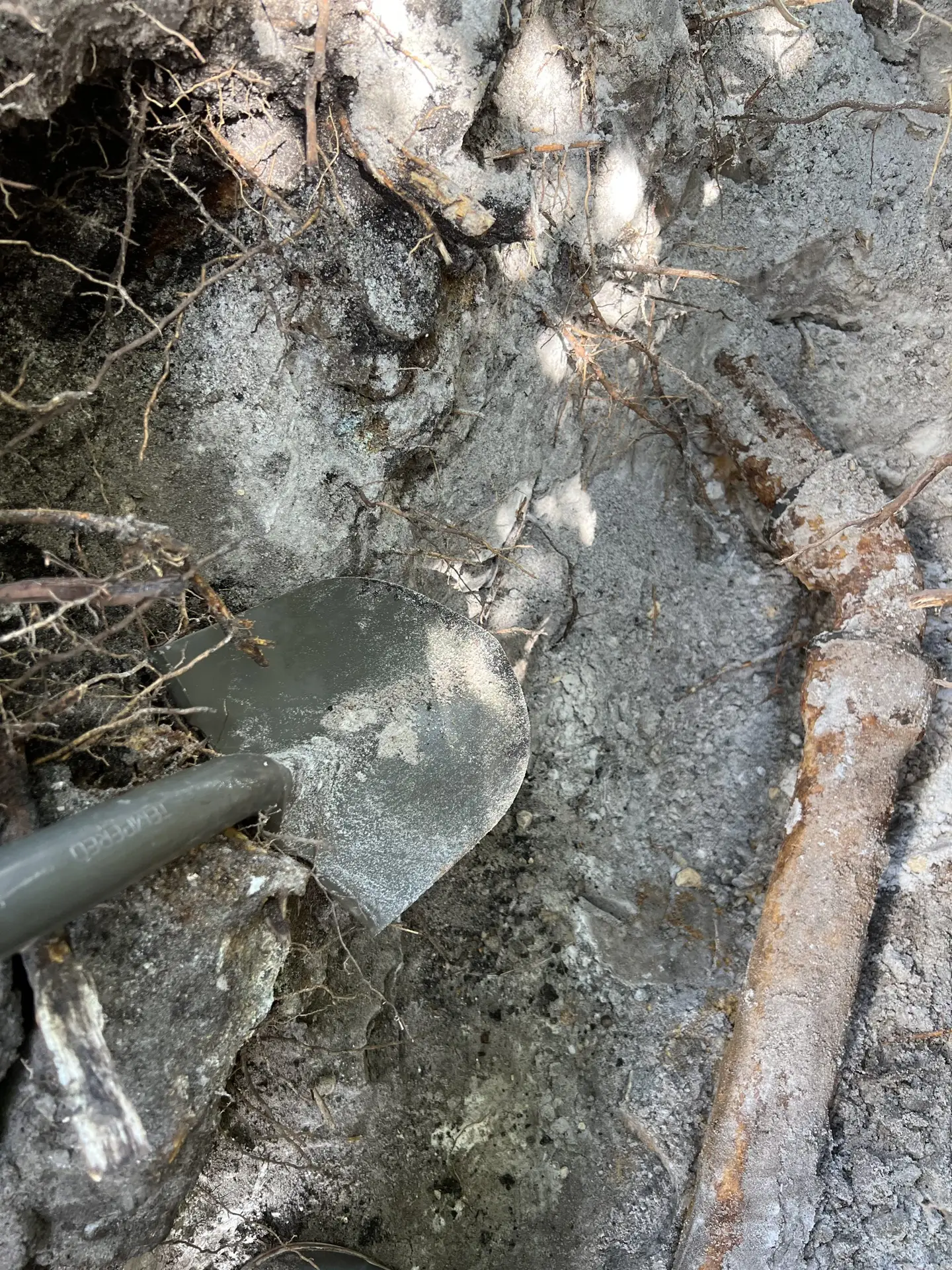
Image 2: Use a close-up photo showing roots, damaged pipe, or exposed cast iron deterioration.
The Camera Inspection Confirmed the Problem
A sewer camera inspection confirmed what the snake had already suggested: the original cast iron line had collapsed.
Tree roots were also found in the line, which likely made the problem worse. Roots often enter through cracks, weak joints, or deteriorated sections of older sewer pipe. Once inside, they can restrict flow and contribute to recurring backups.
In older South Florida neighborhoods with mature trees, slab homes, and aging underground plumbing, this is a common pattern.
A camera inspection can help identify:
- Collapsed cast iron pipe
- Tree root intrusion
- Cracks or breaks
- Severe corrosion
- Standing water inside the line
- Offset or separated pipe sections
- Failed previous repairs
Why East Broward Homes Can Be Especially Vulnerable
Many older neighborhoods east of I-95 were built during earlier phases of South Florida development. Some homes had septic systems before municipal sewer service expanded. During this repair, excavation even uncovered what appeared to be an old septic structure or earlier drainage feature in the side yard.
That history matters because older homes often have layered plumbing systems. One section may have been replaced with PVC years ago, while another section may still be original cast iron.
In this case, a previous owner had replaced a large section under the back patio in the 2000s. That section held up. The remaining original cast iron section eventually failed.
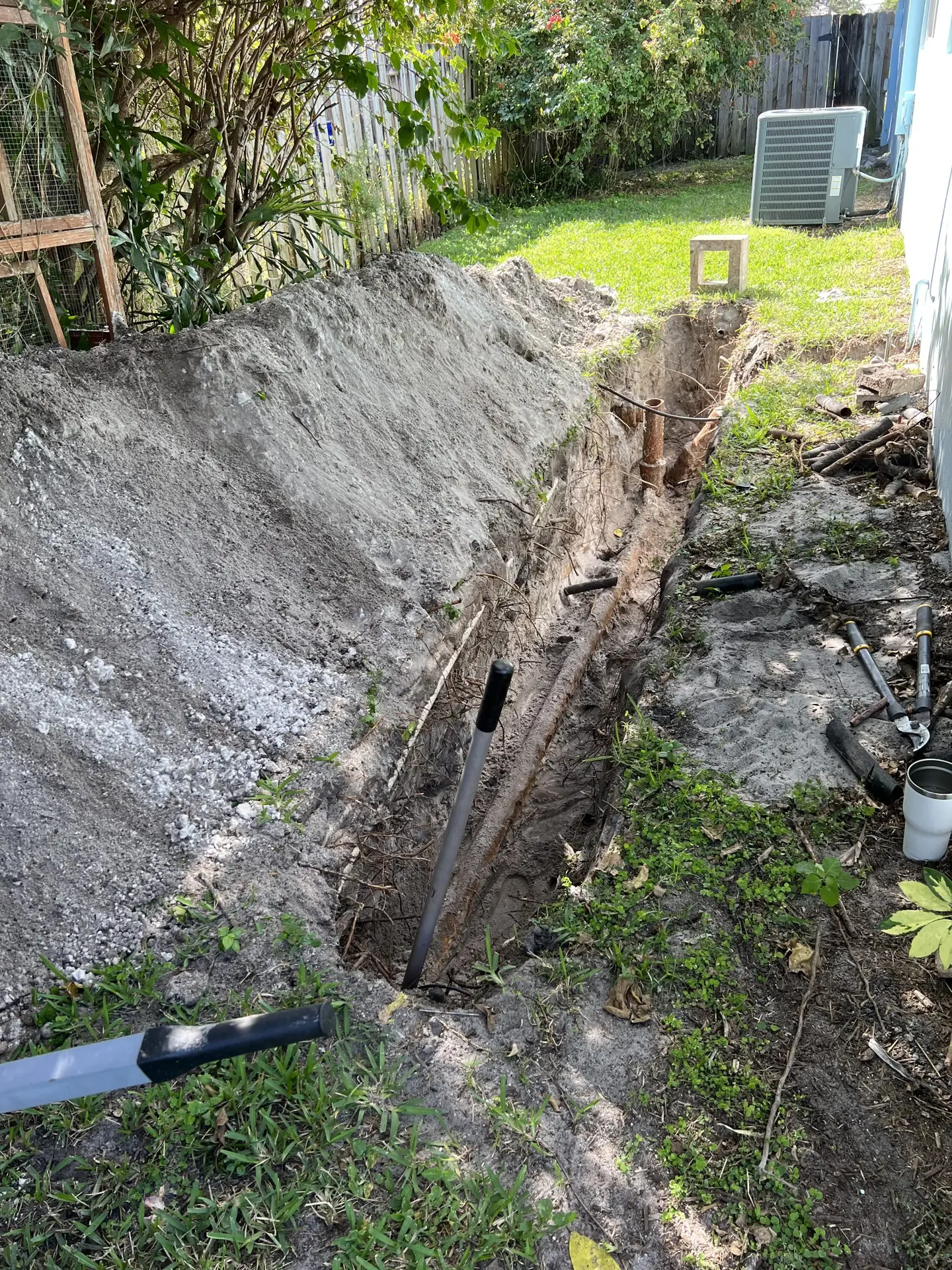
Image 3: Use a wider trench or yard excavation photo here.
What the Repair Actually Involved
Once the collapsed section was located, the repair involved digging a trench to access the failed cast iron line. The damaged pipe and surrounding soil had to be excavated before the plumber could install new PVC at the proper diameter and pitch.
Proper pitch matters because sewer lines rely on gravity. If the replacement pipe is not installed at the correct slope, waste and water may not move through the system properly.
The repair included:
- Locating the failed section
- Digging a trench to expose the old pipe
- Removing damaged cast iron and surrounding soil
- Replacing about 60 feet of cast iron with PVC
- Setting the correct diameter and slope
- Backfilling the trench after repair
To save on cost, the homeowner and a friend dug the trench themselves before the plumber completed the replacement. It still cost about $2,200 and left part of the home without normal plumbing use for roughly three days.
And yes, this happened with a three-week-old newborn in the house.
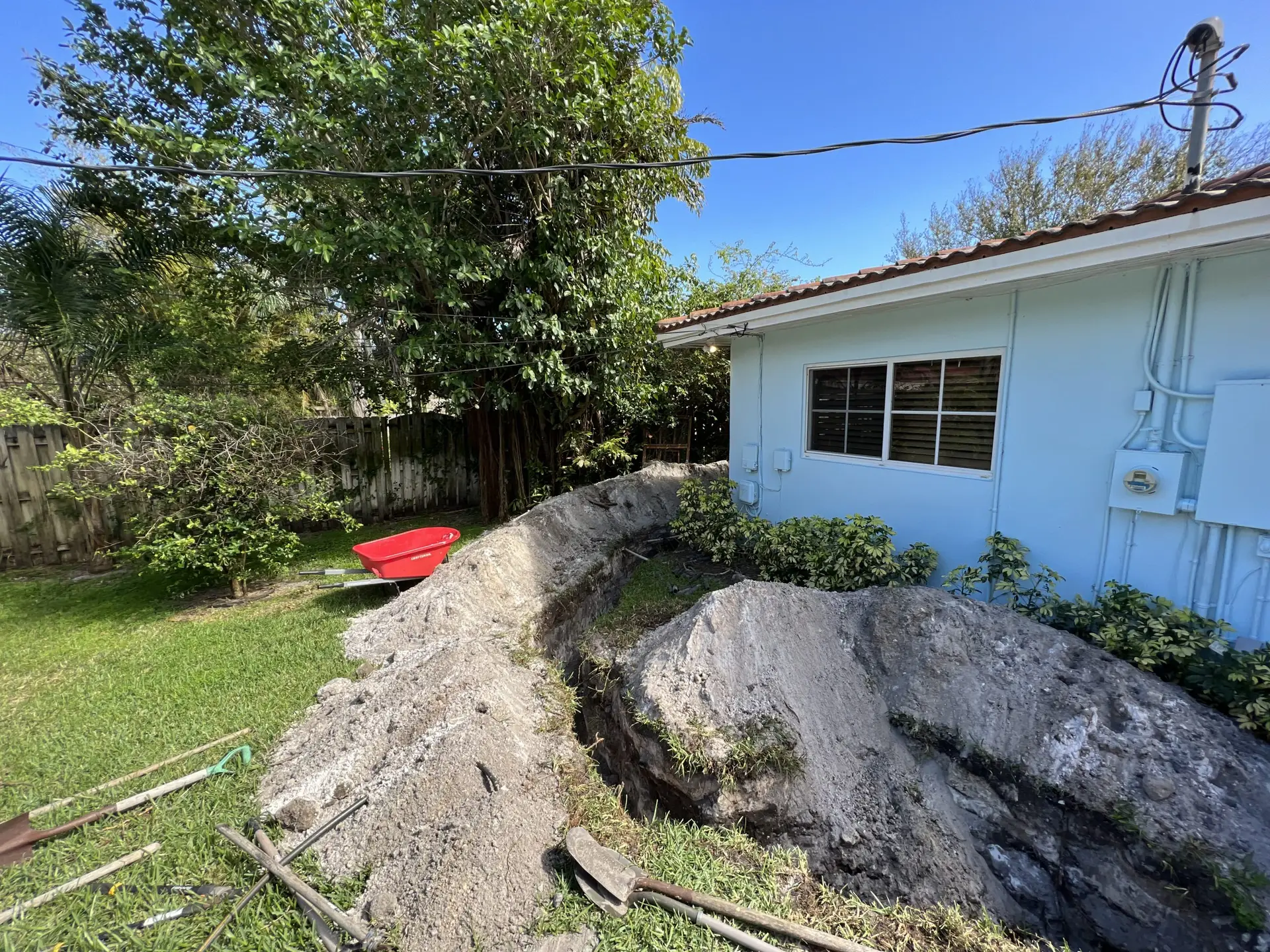
Image 4: Use the best long-trench photo here to show the scale of the repair.
Why Slab Homes Can Make Sewer Repairs More Complicated
This repair was disruptive, but it could have been worse because the failed section was not under the slab.
Many older South Florida homes are slab foundation homes. If a failed cast iron sewer line is located under the slab, repairs may involve tunneling, cutting concrete, removing flooring, or other invasive work.
Accessibility can dramatically affect repair cost, timeline, disruption, and the amount of restoration needed afterward.
Common Signs of Cast Iron Sewer Line Problems
Homeowners should watch for patterns, not just one isolated symptom. A single slow drain does not automatically mean cast iron failure. But multiple symptoms together should raise concern.
1. Multiple Drains Are Slow at the Same Time
If the kitchen, bathroom, shower, and toilet are all draining slowly, the problem may be deeper than one fixture.
2. Toilets Gurgle or Bubble
Gurgling toilets can indicate trapped air, restricted flow, or a blockage farther down the drain system.
3. Water Backs Up Into a Tub or Shower
This is one of the more concerning symptoms because tubs and showers are often low points in the drainage system.
4. Sewer Smells Come From Drains
Persistent sewer odors may indicate a venting issue, dry trap, or a deeper sewer line problem.
5. Drain Problems Keep Returning
If the same clog returns after clearing, the line may have corrosion, roots, collapse, or structural damage.
6. A Snake Cannot Pass Through the Line
When a snake repeatedly hits a hard obstruction, a camera inspection is usually the next step.
7. The Home Still Has Original Cast Iron
Homes built before the 1970s deserve extra attention, especially if the sewer or drain lines have never been inspected.
If backups become urgent or water is actively affecting the home, homeowners may need emergency plumbing service in Pompano Beach.
What This Experience Taught Us
The biggest lesson is simple: older South Florida plumbing does not always give much warning.
In this case, there were not years of obvious recurring issues. One section of the system had already been replaced with PVC, and the home had been functioning normally. Then one morning, the toilets gurgled, the shower stopped draining, and the main sewer issue revealed itself.
That is part of owning an older home in South Florida. Many older Broward County homes have great locations, mature neighborhoods, and solid construction. But they may also have aging underground plumbing systems that are difficult to see until something goes wrong.
For broader residential plumbing guidance, homeowners can visit our Pompano Beach plumber resource hub.
Should Older South Florida Homes Get Sewer Camera Inspections?
If you are buying an older South Florida home, especially east of I-95 in Broward County, a sewer camera inspection is worth considering.
A camera inspection does not prevent every future problem, but it can reveal cast iron deterioration, root intrusion, standing water, pipe collapse, or previous repairs before they become emergency issues.
Practical takeaway: The best time to understand your sewer line is before you are standing in the yard with a trench open, a newborn inside, and half the house unable to drain.
Frequently Asked Questions
How do I know if my home has cast iron pipes?
Homes built before the 1970s often have cast iron drain or sewer lines. A plumber may be able to identify visible sections, but a camera inspection is usually the clearest way to evaluate underground lines.
Are gurgling toilets a sign of a sewer problem?
They can be. If one fixture causes another fixture to gurgle, bubble, or back up, the issue may be deeper in the main drain or sewer line.
Can cast iron pipes collapse suddenly?
Yes. The deterioration may happen gradually underground, but the symptoms can appear suddenly when the pipe finally breaks, collapses, or becomes blocked by roots and debris.
Should I get a sewer camera inspection before buying an older home?
It is strongly worth considering for older South Florida homes, especially slab homes east of I-95 in Broward County. A camera inspection may reveal problems a standard home inspection does not uncover.
Concerned About Sewer, Drain, or Cast Iron Pipe Problems?
Learn more about sewer line, drain, and emergency plumbing issues affecting older South Florida homes.